Water and
Wastewater Treatment
Practical, compliant, cost-effective solutions for the water and wastewater challenges facing municipalities and industrial facilities.
98% of Projects
More than 98% of projects performed over the last 20 years have involved solving water and wastewater issues for clients
120+ Cumulative Years
120+ cumulative years of technical staff experience solving water and wastewater problems
Tailored Solutions
Delivering tailored solutions to clients across the United States for more than 30 years
Full-Service Approach to
WATER and WASTEWATER TREATMENT
Water and wastewater treatment is McFadden Engineering’s core discipline. Our team of professional engineers and professional geologists develops solutions for every stage of a facility’s water and wastewater needs, from evaluating and optimizing an existing treatment system to designing and implementing new technology from the ground up. Whether the project driver is a permit deadline, a capacity constraint or a facility upgrade, we build a plan that is engineered to solve the specific problem in front of us, not a one-size-fits-all system.
QUESTIONS CLIENTS SHOULD CONSIDER
If any of these sound familiar, that’s exactly the kind of problem our engineering approach is built to solve.
SOLUTIONS-ORIENTED Engineering APPROACH
Every water and wastewater project begins the same way, by understanding the process that’s generating the flow.
Rather than specifying equipment first, McFadden’s engineers analyze existing conditions, model the problem and design solutions for the outcome the facility needs, whether it be compliance, cost reduction, capacity or all three. This process follows the same four steps on every project, from a single compliance fix to a full treatment system redesign.
Step 1 – Assess
We start on-site, evaluating existing treatment processes, flow data and permit conditions. For industrial clients, this means understanding the specific waste stream generated by their operation; for municipal clients, it means understanding system capacity, age and pertinent regulations and compliance standing.
Step 2 – Model and Design
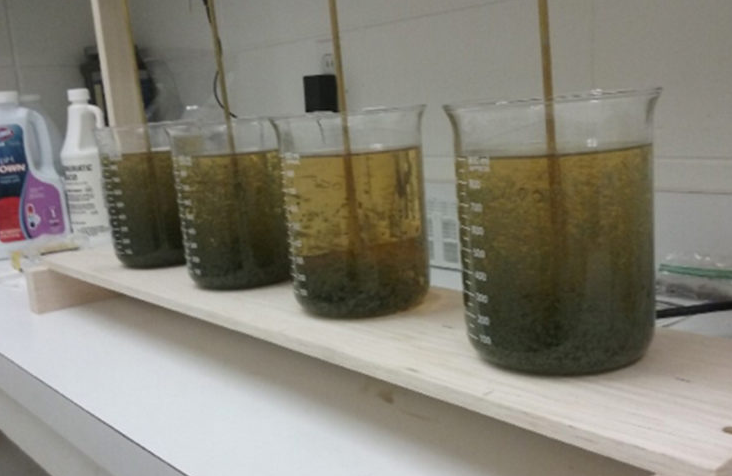
Using in-house lab equipment and hydraulic and water-quality modeling software, we build a model of the problem before we design a solution. We prioritize sizing treatment processes to the real flow and pollutant load rather than a rule of thumb.
Step 3 – Permit and Comply
McFadden engineers prepare and manage NPDES and UIC permit applications, discharge monitoring plans and groundwater monitoring programs so the engineered solution is designed to satisfy the regulatory requirement it needs to meet, not just the treatment goal.
Step 4 – Implement and Optimize
From new facility design to optimizing an existing plant, we carry the project through implementation. For clients who need it, McFadden also provides ongoing training, maintenance and full facility management for small to medium flow wastewater systems.
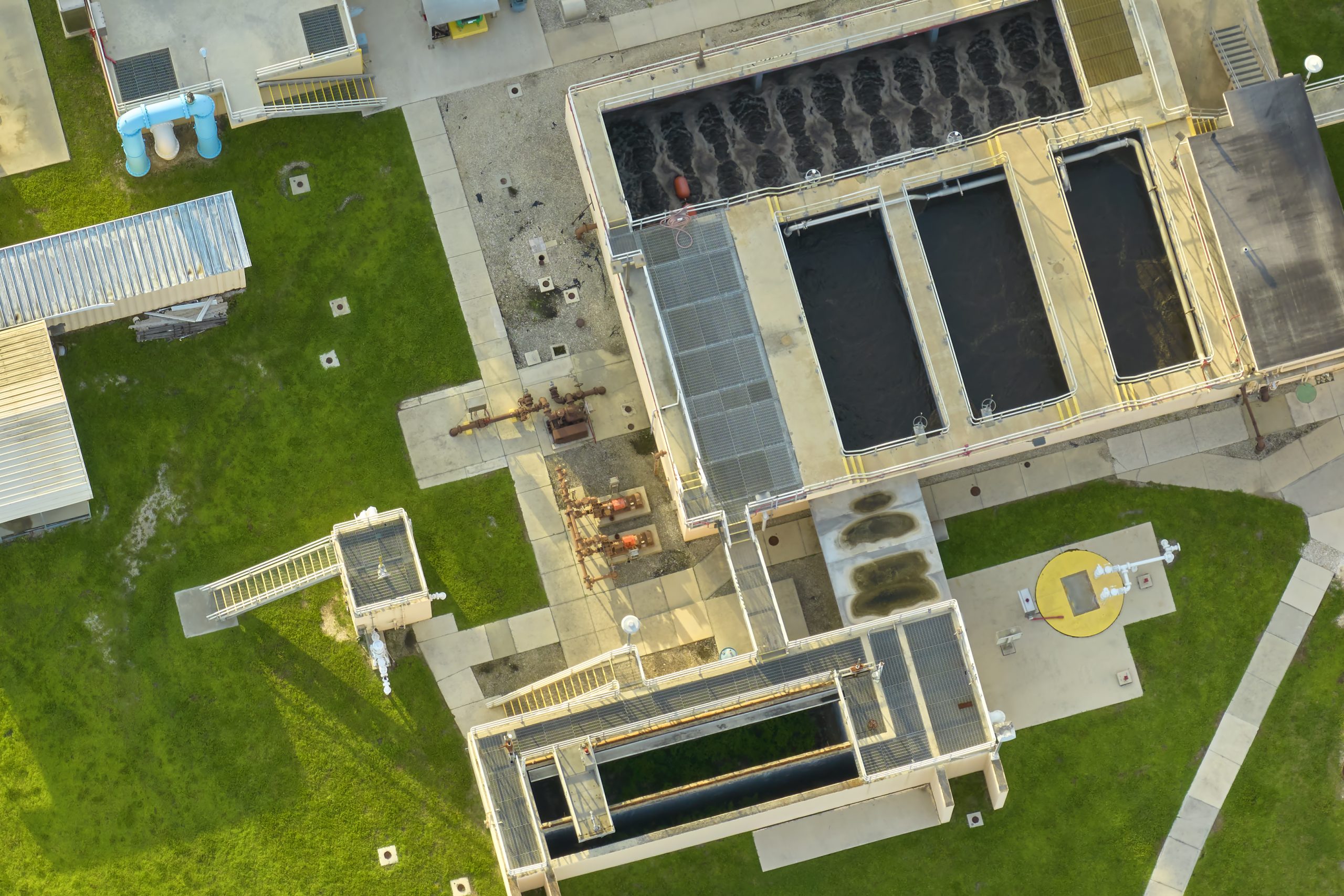
Every industrial application is unique. We analyze existing processes and develop a plan to address compliance issues, whether that means upgrading an existing system or engineering a new one around the facility’s specific waste stream.
For municipal and utility clients, McFadden brings engineering discipline to public water and wastewater infrastructure, from treatment plant upgrades to the permitting and compliance work municipal systems must maintain year over year.
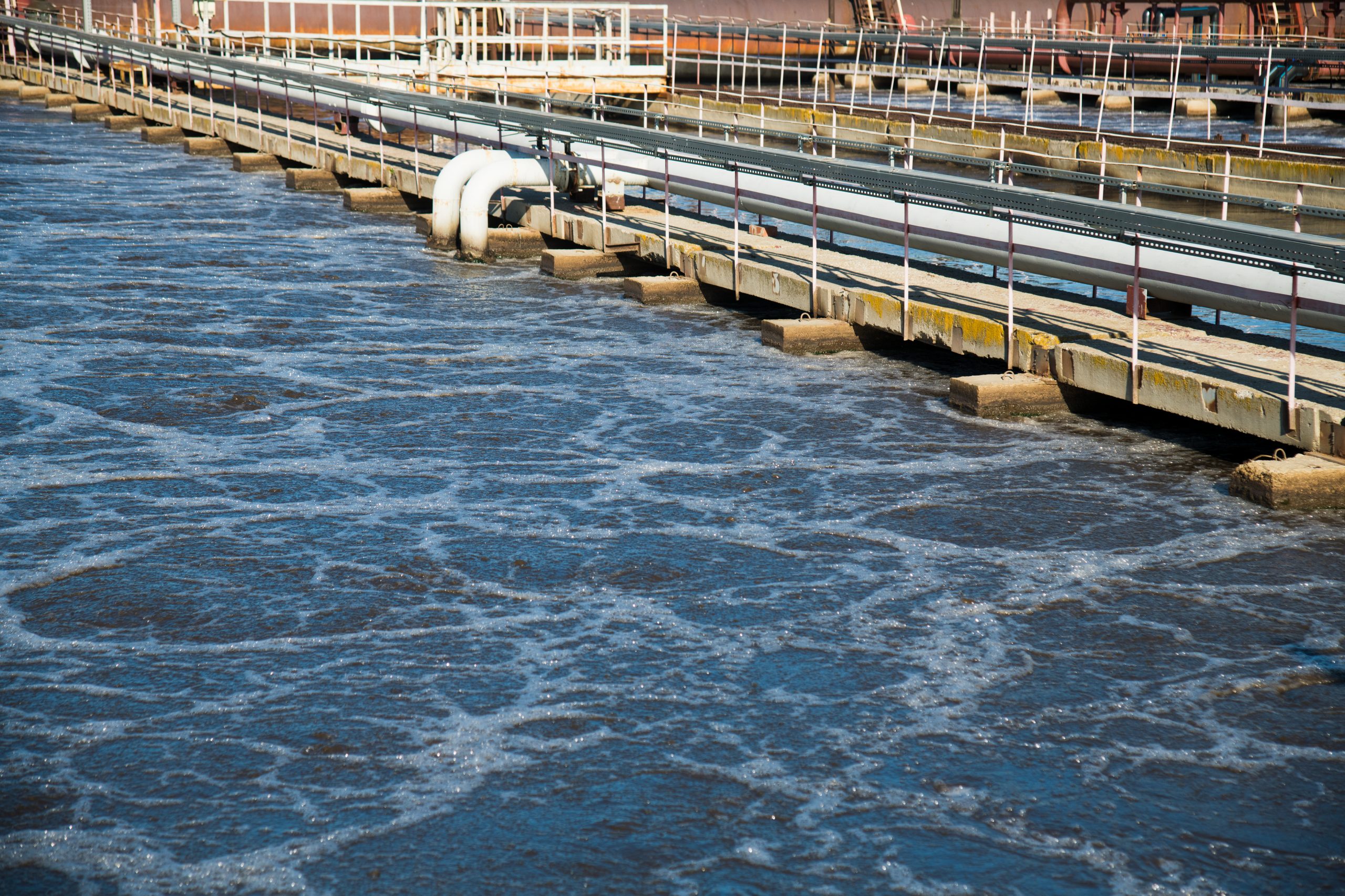
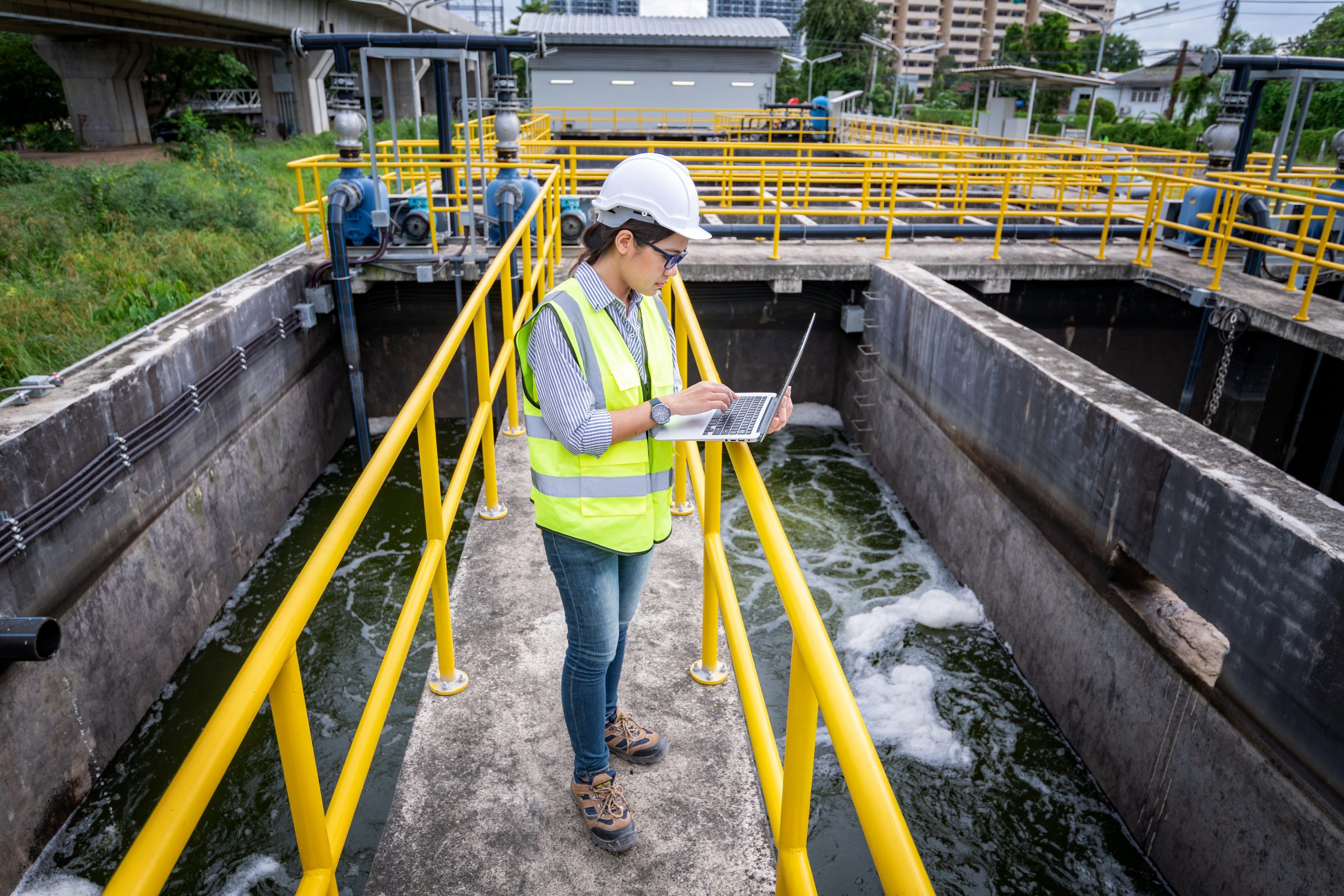
For clients with small to medium flow wastewater systems, McFadden offers training, maintenance and full facility management, giving facilities without a dedicated operations team access to engineering-backed day-to-day support.
Using in-house lab equipment and modeling software, McFadden builds water quality and hydraulic models to evaluate a facility’s problem before committing to a design direction, reducing the risk of over- or under-sizing a solution.
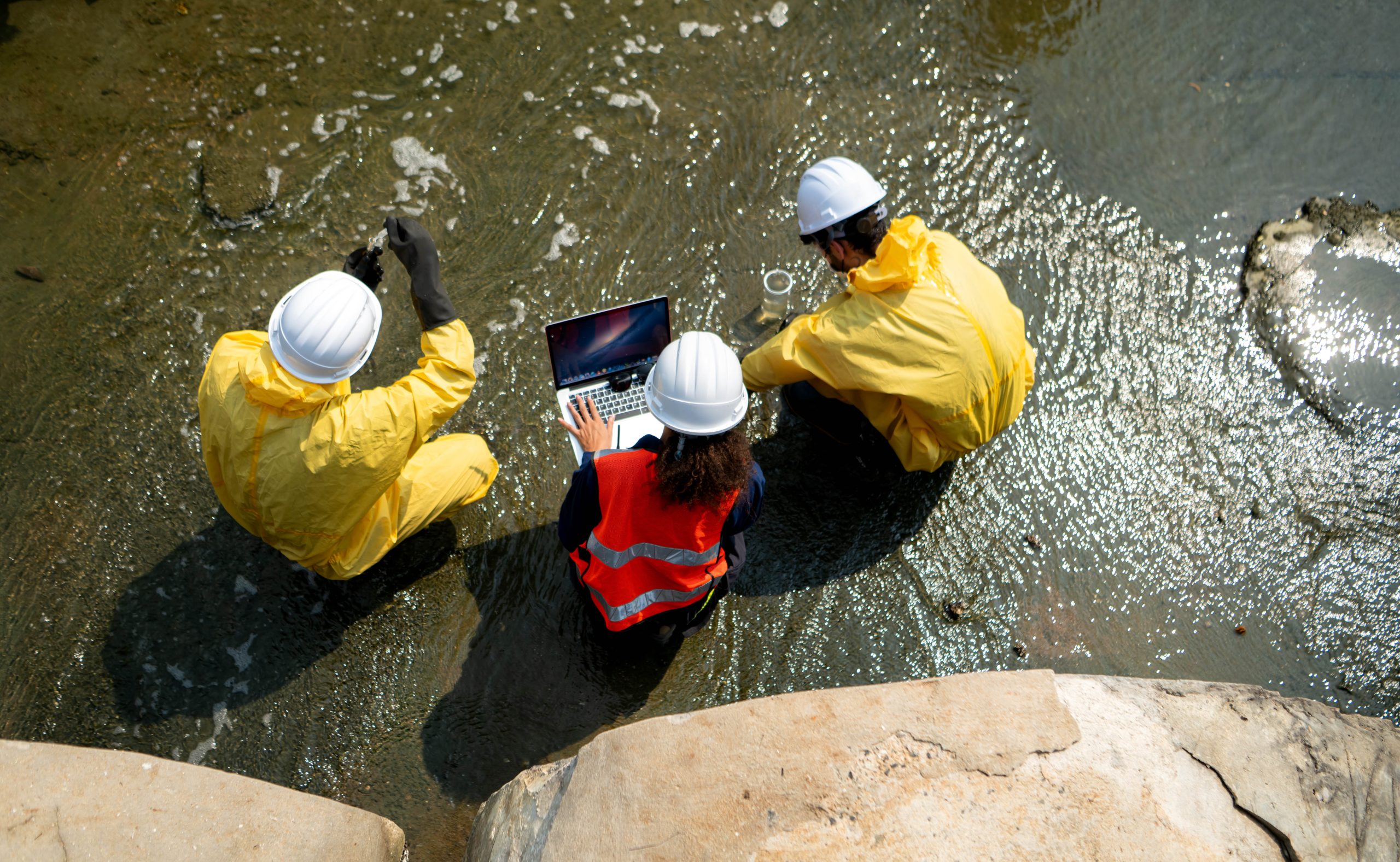
Every industrial application is unique. We analyze existing processes and develop a plan to address compliance issues, whether that means upgrading an existing system or engineering a new one around the facility’s specific waste stream.
For municipal and utility clients, McFadden brings engineering discipline to public water and wastewater infrastructure, from treatment plant upgrades to the permitting and compliance work municipal systems must maintain year over year.
For clients with small to medium flow wastewater systems, McFadden offers training, maintenance and full facility management, giving facilities without a dedicated operations team access to engineering-backed day-to-day support.
Using in-house lab equipment and modeling software, McFadden builds water quality and hydraulic models to evaluate a facility’s problem before committing to a design direction, reducing the risk of over- or under-sizing a solution.
MCFADDEN ENGINEERING
INDUSTRIES SERVED
Water and wastewater challenges look different across every sector. McFadden’s engineering team has spent more than 30 years developing solutions across a wide range of industries, including:
Municipalities and Utilities
Treatment plant capacity, permitting and compliance for public systems
Food and Beverage Processing
High-strength waste streams and rapid compliance timelines
Heavy Industrial, Including Steel Mills
Process-specific industrial wastewater treatment
Treatment completed in as little as 2-4 hours, up to 10x faster than traditional wastewater treatment
Effluent clean enough for reuse (washdown water, cooling towers, landscape irrigation) or direct discharge
OxyShark® Patented Aerobic Bioreactor System
For clients who need treatment capacity beyond a conventional design, McFadden provides all engineering services behind OxyShark®, a patented aerobic bioreactor system engineered and supported by our team. Where a conventional wastewater treatment upgrade would mean a lengthy construction project, OxyShark is engineered as a scalable, deployable treatment solution for municipalities and industrial facilities that need reliable capacity without a ground-up plant rebuild.
High-Flow and Low-Flow Systems
OxyShark is engineered in two configurations, sized to the facility rather than forcing a one-size system onto every application:

How OxyShark Works
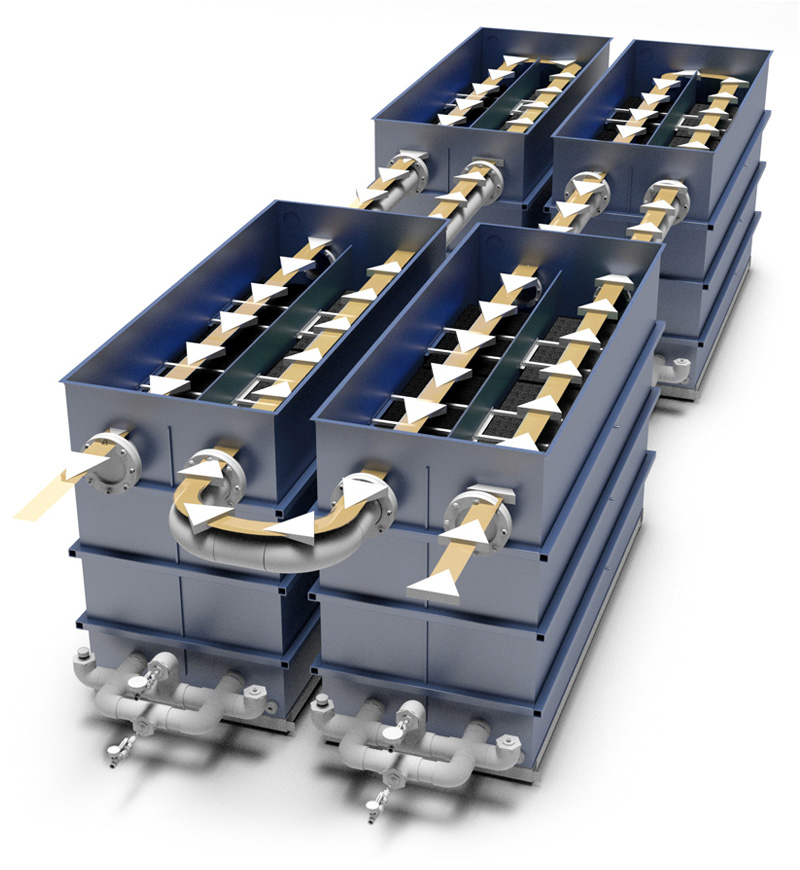
OxyShark is a multi-celled, fixed-film bioreactor that uses plug-flow hydraulics and a high-purity oxygen and air combination to accelerate biological treatment. Wastewater passes through thousands of square feet of media, where living bacteria consume organic waste materials and with chemicals. The result is water clean enough to reuse on site or discharge directly, with minimal leftover byproduct compared to conventional systems.
Have a Water or Wastewater Challenge to Solve?
Contact McFadden Engineering’s team about your facility’s water and wastewater needs, from a single compliance issue to a full treatment system redesign.
Frequently Asked Questions
Both. McFadden’s engineering approach is the same either way, as we assess, model, design, and permit, but what we’re solving for differs. Municipal clients are typically managing capacity, aging infrastructure and public compliance obligations, while industrial clients are managing a specific waste stream tied to their process.
Timeline depends on the problem and the engineered solution. A conventional treatment system involves design, permitting and construction, which can take months to over a year depending on complexity and regulatory review. OxyShark® systems are engineered to be deployable, in some cases installed in a matter of weeks, so facilities facing a tight permit deadline or urgent capacity constraint have a faster path to compliance than a full plant rebuild.
Most of McFadden’s work involves evaluating and optimizing an existing system rather than starting from scratch. We assess current treatment processes, flow data and permit conditions first, and often the right solution is a targeted upgrade rather than a full replacement. Our team will size the solution to the actual problem. Our team also designs new industrial or municipal systems as needed.