Site Assessment
and Remediation
Phase I and Phase II Environmental Site Assessments, hydrogeology and remediation strategy for real estate transactions, development and regulatory compliance.
Long-Term Client Relationships
30 years of experience serving many of the same clients since the firm’s founding
Hydrogeology Expertise
Team of professional engineers and geologists specializing in hydrogeology and subsurface investigation
ASTM-Compliant Assessments
Site assessments performed in accordance with ASTM International standards across Alabama, Florida, Georgia and Mississippi
Full Service Approach to
SITE ASSESSMENTand REMEDIATION
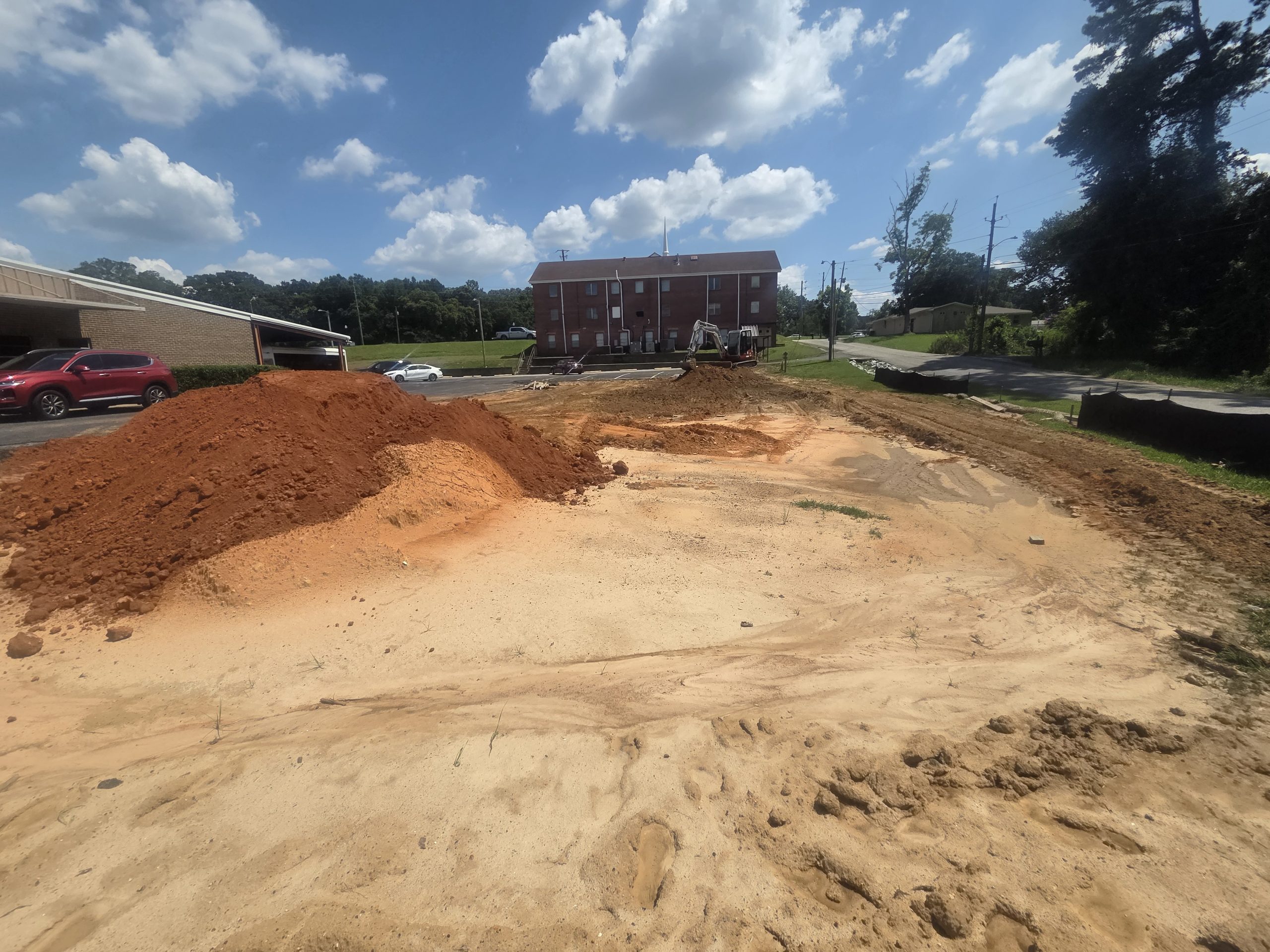
A real estate developer or landowner will likely need a Phase I Environmental Site Assessment (ESA) when developing a piece of property, and it must be completed in accordance with the ASTM standards by a professional engineer or professional geologist. McFadden Engineering has a team of professional engineers and geologists who conduct Phase I and Phase II site assessments, and when contamination is identified, develop a cost-effective remediation strategy. Remediating soil is usually the more straightforward path when the impacted area can be excavated, but when contamination is beneath a structure or has reached groundwater, our team’s hydrogeology expertise becomes essential to solving the problem correctly.
QUESTIONS CLIENTS SHOULD CONSIDER
If any of these sound familiar, that’s exactly the kind of problem our engineering approach is built to solve.
SOLUTIONS-ORIENTED Engineering APPROACH
Site assessment and remediation follow a defined regulatory path, but the right solution depends on what’s found beneath the surface.
Step 1 – Investigate
McFadden Engineering performs a Phase I Environmental Site Assessment in accordance with ASTM standards, reviewing historical records, conducting a physical inspection and interviewing relevant parties to identify any Recognized Environmental Conditions.
Step 2 – Delineate
If a Phase I ESA identifies an REC, we conduct a Phase II Environmental Site Assessment, collecting soil and groundwater samples and, where needed, constructing subsurface cross-sections and groundwater flow models to determine the horizontal and vertical extent of contamination.
Step 3 – Remediate
The McFadden team develops a remediation strategy sized to the actual contamination found. When soil can be excavated, that’s typically the fastest and most cost-effective path; when contamination is under a structure or has reached groundwater, we design a more targeted remediation system based on predicted groundwater flow direction and velocity.
Step 4 – Close Out
The McFadden project team works with regulatory agencies through implementation and monitoring toward site closure or a no further action determination.
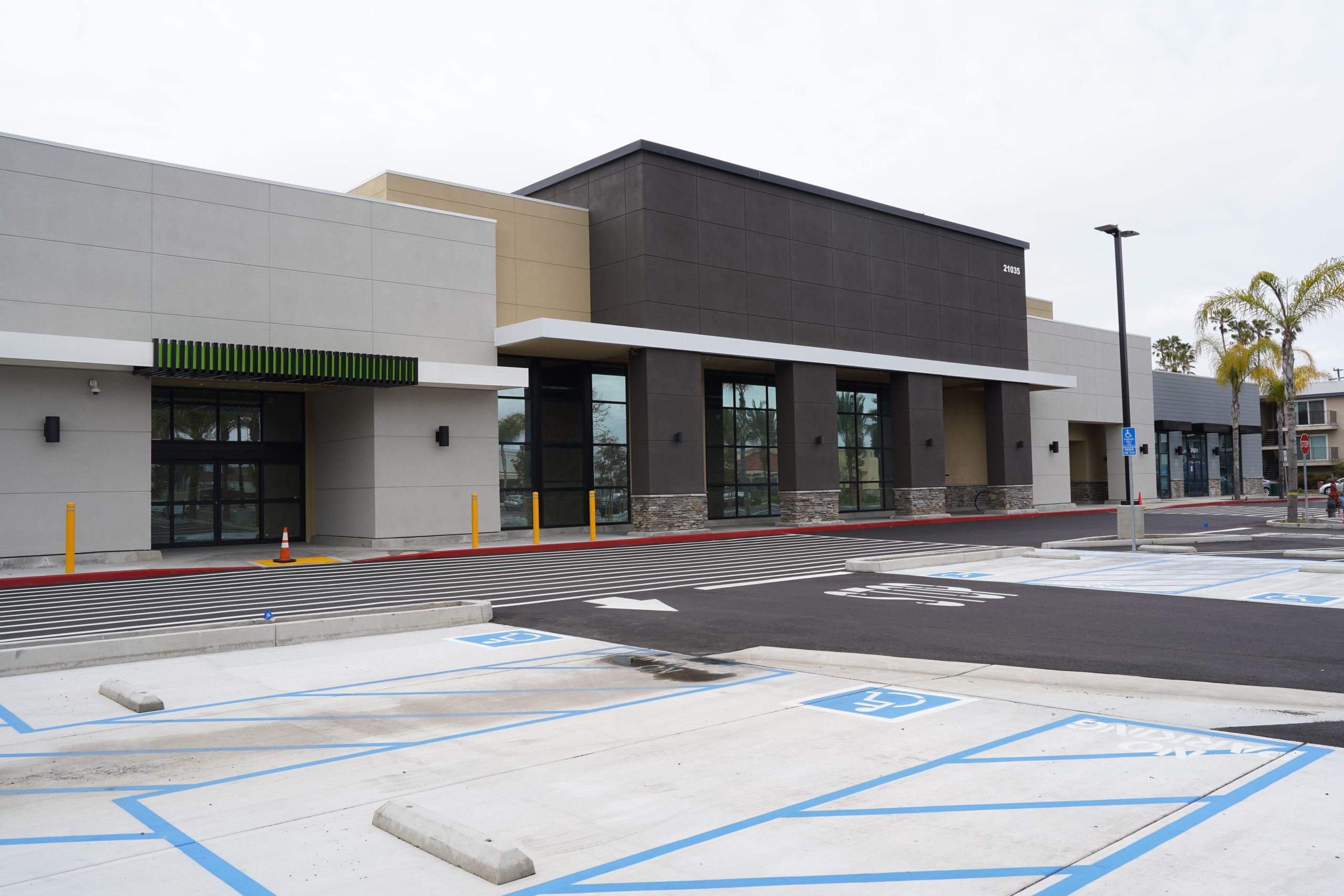
McFadden Engineering performs Phase I ESAs in accordance with the ASTM standards, the due diligence step most real estate transactions and development projects require before a property changes hands or breaks ground.
When a Phase I ESA identifies a REC, the McFadden project team conducts a Phase II assessment to determine whether contamination is present and, if so, its horizontal and vertical extent.
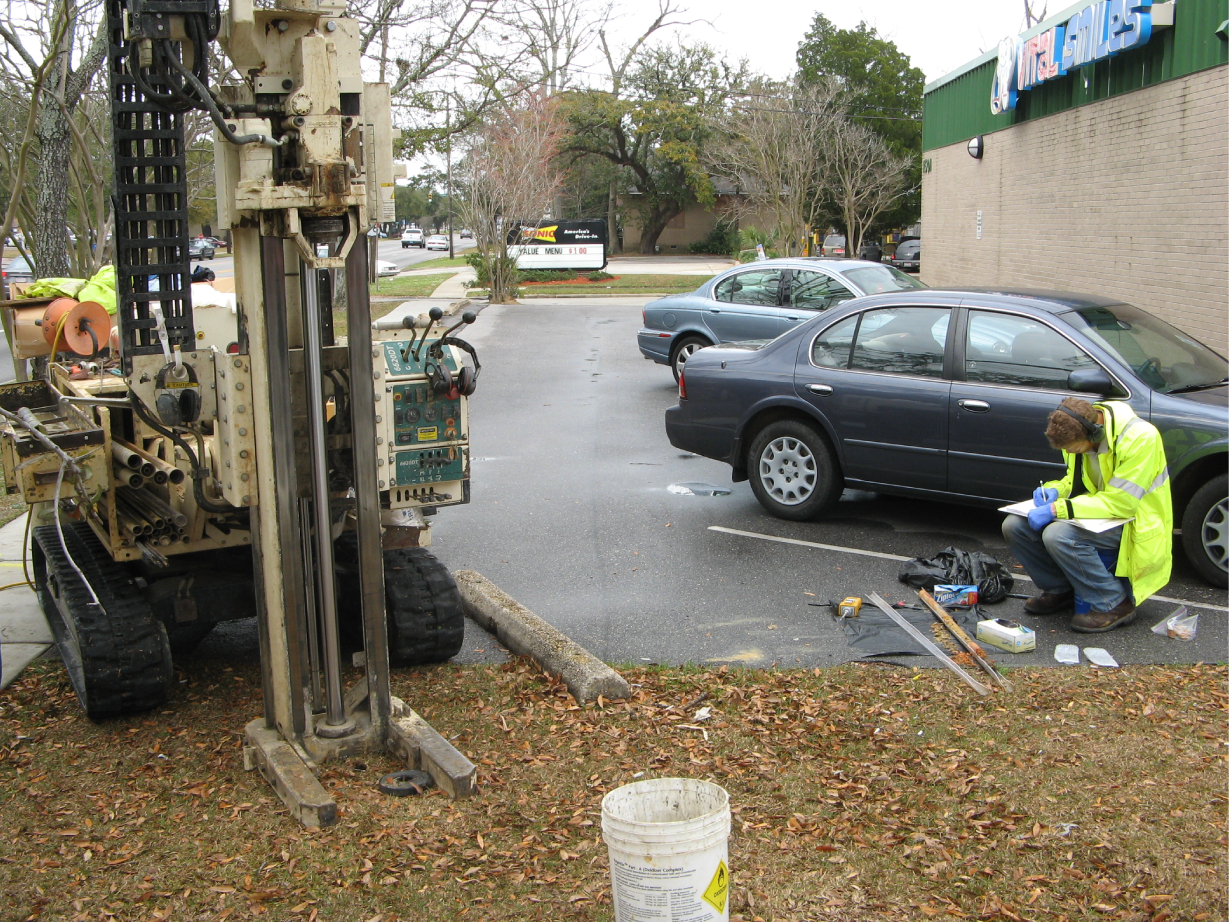
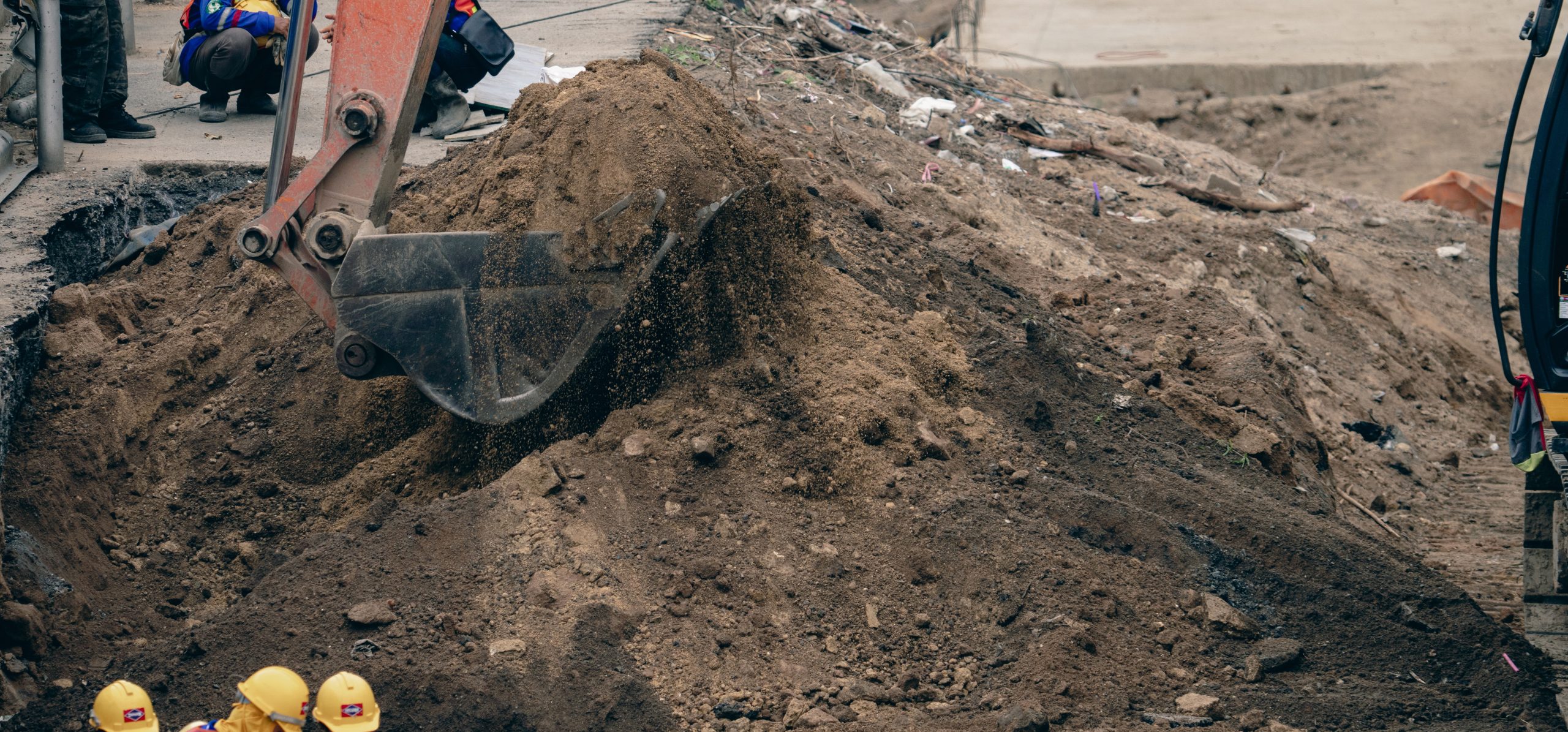
Once contamination is identified and delineated, the McFadden team designs a remediation strategy customized to the site’s actual conditions, from straightforward excavation to more complex in-place treatment when contamination reaches groundwater or sits beneath a structure.
Hydrogeology, the study of groundwater distribution and movement through soil and rock, is central to solving contamination problems that reach the subsurface. The McFadden project team of professional engineers and geologists constructs subsurface cross-sections and builds groundwater flow models to predict flow direction and velocity, identifying the most effective location to target with a remediation system.
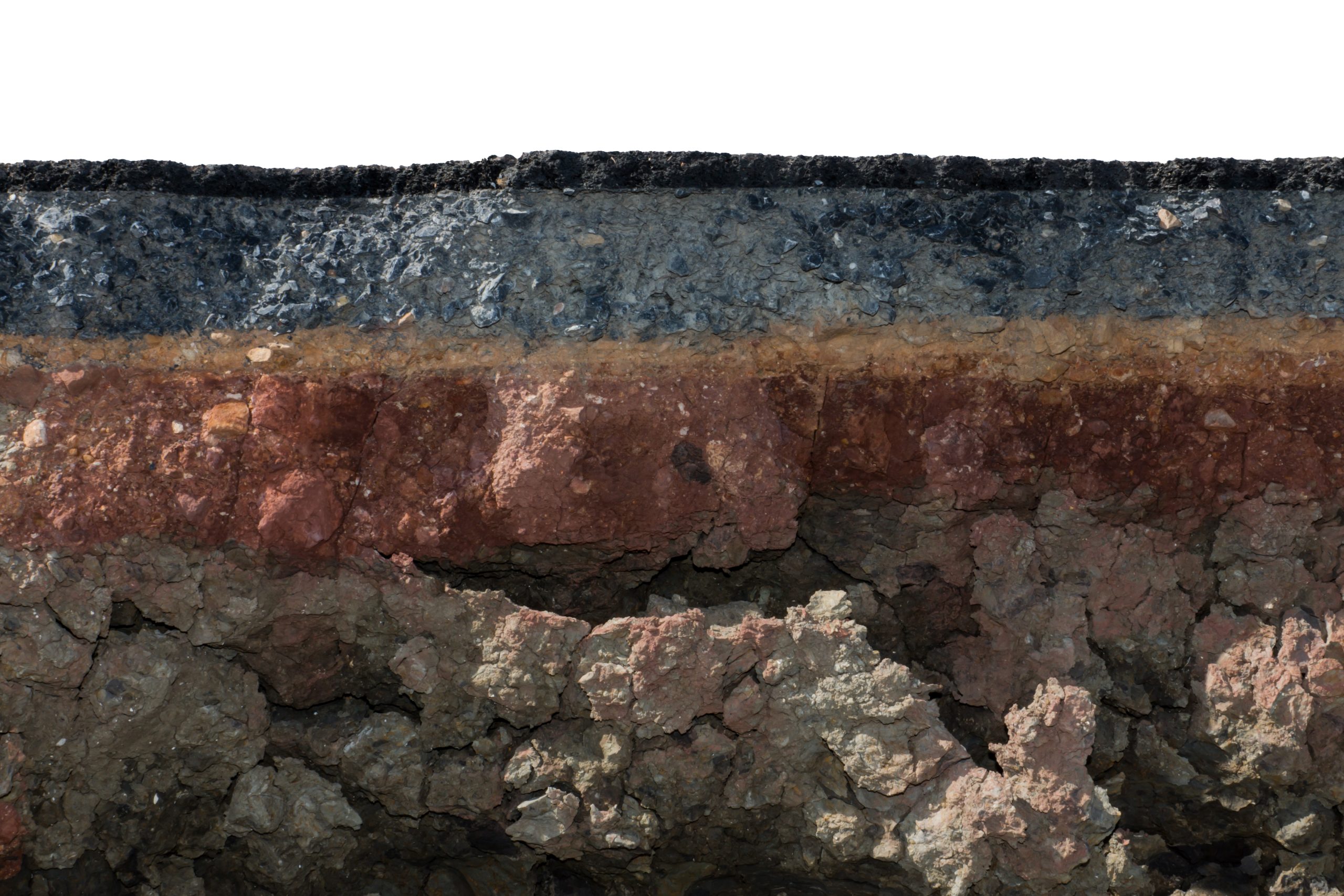
Once contamination is identified and delineated, the McFadden team designs a remediation strategy customized to the site’s actual conditions, from straightforward excavation to more complex in-place treatment when contamination reaches groundwater or sits beneath a structure.
When a Phase I ESA identifies a REC, the McFadden project team conducts a Phase II assessment to determine whether contamination is present and, if so, its horizontal and vertical extent.
Once contamination is identified and delineated, the McFadden team designs a remediation strategy customized to the site’s actual conditions, from straightforward excavation to more complex in-place treatment when contamination reaches groundwater or sits beneath a structure.
Hydrogeology, the study of groundwater distribution and movement through soil and rock, is central to solving contamination problems that reach the subsurface. The McFadden project team of professional engineers and geologists constructs subsurface cross-sections and builds groundwater flow models to predict flow direction and velocity, identifying the most effective location to target with a remediation system.
MCFADDEN ENGINEERING
INDUSTRIES SERVED
Site assessment and remediation needs are accounted for in every kind of property transaction and industrial operation McFadden works with. Our team has performed assessments and remediation for the following industries:
Municipalities and Utilities
Site assessments supporting property acquisition and infrastructure development
Heavy Industrial
Site assessment and remediation tied to industrial property transactions and RCRA compliance
Need a Site Assessment or Remediation Plan?
Contact McFadden’s engineering team about your property’s environmental due diligence or remediation needs, from a single Phase I ESA to a full groundwater remediation strategy.
Frequently Asked Questions
Most real estate transactions and development projects require a Phase I ESA performed in accordance with ASTM by a professional engineer or professional geologist. If you’re buying, selling or developing a property, McFadden can determine what level of assessment your project needs.
If a Phase I ESA identifies a Recognized Environmental Condition, we conduct a Phase II Environmental Site Assessment, which involves soil and groundwater sampling to determine whether contamination is present and, if so, how far it extends.
Approaches depend on where the contamination is located. When the impacted area can be excavated, that’s typically the fastest and most cost-effective option. When contamination is beneath a structure or has reached groundwater, our hydrogeology team builds groundwater flow models to identify the most effective location and approach for a remediation system.